
4 Things to Expect From Your Concrete Driveway
Regular vehicle maintenance begins with a safe, stable place to park your vehicles at home. Concrete driveways are a highly popular choice for modern homeowners due to their exceptional structural durability and aesthetic versatility. However, there are several key phases, engineering requirements, and environmental factors to consider when having a new concrete driveway installed on your property. This comprehensive article will explore what you can expect from this major exterior home improvement project, helping you make informed decisions, avoid common pitfalls, and properly maintain your residential investment for decades to come.
1. A Multi-Step Installation Process
Designing a durable residential entryway requires thorough structural planning and meticulous attention to engineering detail. Homeowners must carefully consider the overall layout, physical dimensions, and grading to ensure effective surface water drainage. Proper grading reduces the risk of water pooling or foundational soil erosion along the edges of the slab. Additionally, professional layout designs must account for local building codes, property setbacks, and municipal zoning regulations that dictate the required thickness and structural load capacities of residential pavements. Collaborating with an experienced professional contractor during this initial design phase ensures that all essential site factors are thoroughly addressed before excavation begins.
The physical preparation of the installation site is arguably the most crucial step in ensuring structural longevity. This phase involves clearing the designated area of all organic vegetation, roots, loose debris, and pre-existing asphalt or stone structures that could interfere with the new foundation. Grading and soil compaction are then performed to establish a completely stable base, typically utilizing a thick, uniform layer of crushed stone or compacted gravel. This foundational sub-base provides uniform support beneath the heavy slab, drastically reducing the risk of shifting, cracking, or uneven settling over time.
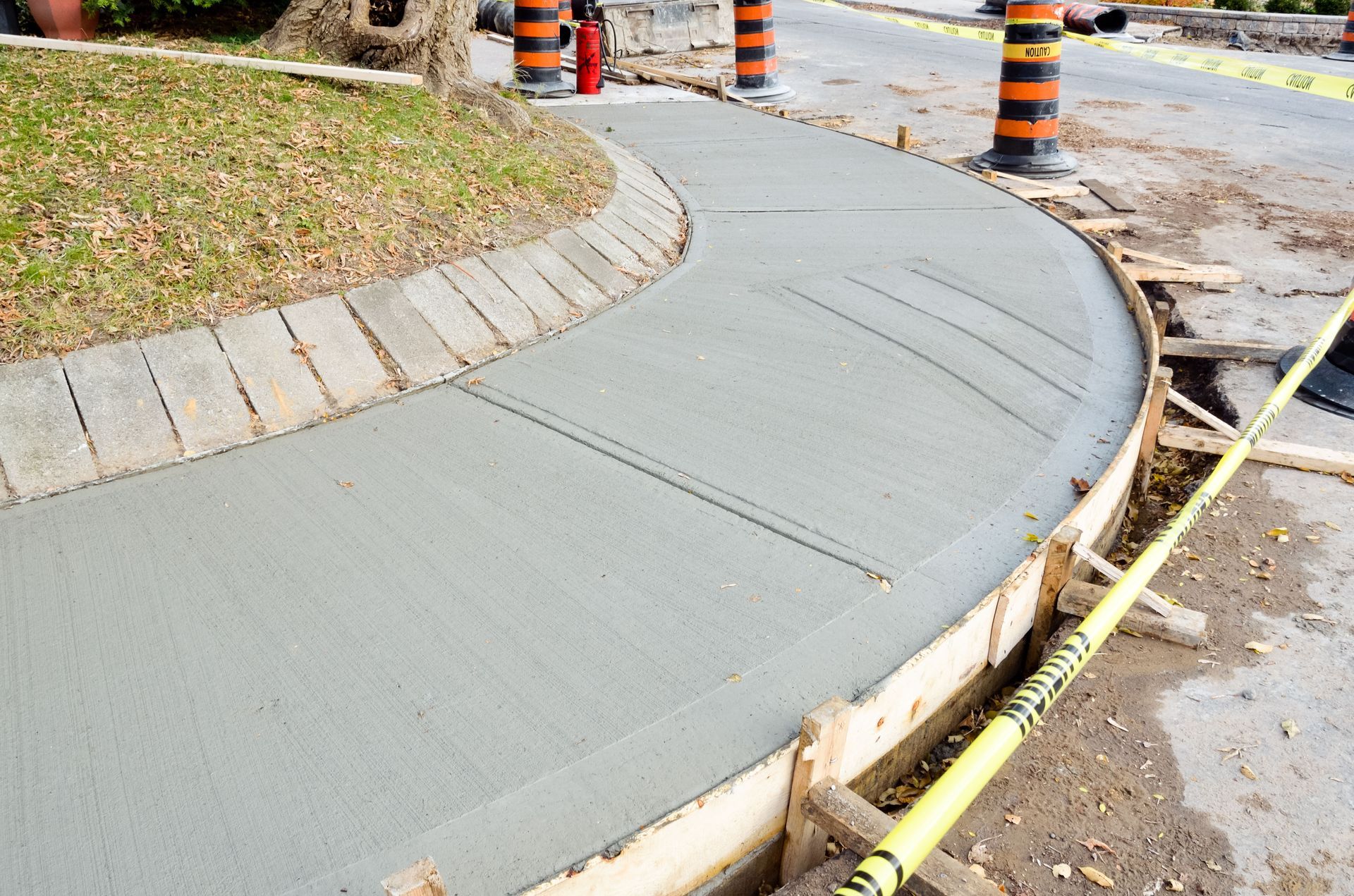
Once the sub-base is fully prepared, the mixing and pouring stage begins. Liquid concrete must be mixed to the exact consistency and chemical composition required to handle vehicle loads. The material is poured onto the prepared site and spread evenly using specialized screening tools. Technicians use mechanical vibration equipment to eliminate hidden air bubbles, minimizing internal weak points. After pouring, the material undergoes a critical hydration phase known as curing, where it must be kept consistently moist under protective sheeting for several days to achieve maximum compressive strength. The final stage involves finishing the texture and applying a high-quality chemical sealer to protect the freshly completed concrete driveway from moisture infiltration and premature surface wear.
2. Aesthetic Versatility and Customization Options
Modern paving materials offer a diverse range of visual customization options that allow homeowners to significantly elevate their property’s curb appeal. Color choices move far beyond standard industrial gray, varying from warm, natural earth tones to vibrant structural shades. Homeowners can easily personalize their entryway to match the architectural style and color palette of their home’s exterior. Color can be introduced into the project via integral liquid pigments mixed directly into the batch before pouring, or by applying specialized color-hardening powders to the surface during the finishing process. This unique customization adds distinct character and value to the residential property.
Choosing a specific surface texture also impacts both the aesthetic charm and everyday functionality of the pavement. Textured finishes provide visual depth while increasing tire traction during inclement weather. Options like a classic broom finish, created by drawing an industrial broom across the damp surface, provide exceptional slip resistance while maintaining a clean, uniform appearance. Alternatively, an exposed aggregate finish reveals the colorful natural stones and pebbles embedded within the mix, creating an attractive, highly skid-resistant surface.
Decorative stamping offers a creative way to mimic the premium appearance of natural slate, flagstone, traditional brick, or interlocking pavers. This popular technique involves pressing heavy, textured stamping mats into the wet mix before it hardens, creating detailed three-dimensional impressions. Incorporating contrasting borders, colored ribbons, and custom saw-cut geometric patterns further personalizes the layout. A well-executed design integrates seamlessly with adjacent landscape features, maximizing visual impact and turning a standard concrete driveway into a stunning, customized focal point for your home.
3. Predictable Routine Maintenance Requirements
Regular cleaning is fundamental to preserving your pavement's pristine appearance and structural integrity over time. Promptly removing leaves, dirt, organic debris, and chemical spills prevents deep surface staining and localized deterioration. Routine maintenance involves consistent sweeping and occasional high-pressure power washing to eliminate stubborn automotive fluids, tire marks, and environmental grime. By maintaining a clean, clear surface, homeowners can easily protect their investment and ensure the pavement remains visually appealing through every season of the year.
Sealing the surface is another vital maintenance requirement designed to protect the porous material against moisture infiltration, chemical spills, and freeze-thaw damage. A high-grade topical or penetrating sealer should be applied once the installation has fully cured, and periodically reapplied every three to five years to maintain its protective properties. Proper sealing locks out water, prevents surface scaling, blocks oil absorption, and enhances the color vibrancy of stamped or stained finishes. Regularly inspecting the condition of the topcoat helps determine the optimal schedule for ongoing protective maintenance.
Promptly addressing minor cracks is essential to prevent them from escalating into significant structural hazards. Filling small surface fissures with flexible, waterproof patching compounds restores a smooth surface and blocks water from reaching the underlying sub-base. Timely crack maintenance is especially critical in regions that experience harsh winter climates, where trapped moisture can freeze and expand. Proactively managing minor oil stains or localized rust spots contributes heavily to the long-term beauty of the concrete driveway.
4. Exceptional Longevity and Climate Resilience
These permanent structural installations are globally renowned for their remarkable load-bearing durability, making them highly resistant to daily traffic wear. Routine residential usage, including the movement of heavy passenger vehicles and steady foot traffic, has a minimal negative impact when the sub-base is properly engineered. High-quality mixes and professional installation ensure that the heavy slab remains robust over decades of continuous service. According to NerdWallet, a concrete driveway can last from 30 to 40 years. This exceptional lifespan easily outpaces alternative materials like asphalt, making it an incredibly smart, cost-effective choice for busy households seeking a reliable, low-stress parking surface.
These surfaces are engineered to handle extreme weather conditions with remarkable adaptability. With proper sealing, they easily resist surface deterioration caused by intense UV sun exposure, heavy downpours, and rapid seasonal temperature fluctuations. Specific chemical additives used during the mixing stage, such as air-entraining agents, introduce billions of microscopic air bubbles into the mix. This specialized chemical process provides internal moisture with room to safely expand and contract, protecting structural integrity during severe freeze-thaw cycles.
While inherently resilient, unsealed surfaces can face challenges if standing water freezes and expands inside raw surface pores, leading to localized scaling, pitting, or surface flaking. Homeowners can easily mitigate these risks by prioritizing clear drainage pathways and avoiding the use of harsh chemical deicers during the winter months. By taking basic, proactive preventative measures, your customized concrete driveway will remain functionally sound, structurally resilient, and visually beautiful through the toughest seasonal climates.
Whether you are preparing to install a brand-new surface or looking to protect an existing installation, understanding these operational realities ensures your home project remains a beautiful, functional asset for decades to come. When you are ready to upgrade your property's exterior with premium craftsmanship, durable engineering, and beautiful custom finishes, trust the expert technicians at Peter LaLicata & Son Cement Contractors Inc to deliver a pristine, custom-engineered concrete driveway built to stand the test of time

Share On: