
Concrete Services 101: What to Know
Understanding the fundamentals of concrete services is essential whether you are a homeowner embarking on a DIY project or a contractor aiming to enhance your service offering. Concrete, a versatile and durable material, is integral to numerous construction projects, ranging from small-scale residential undertakings to substantial industrial applications. Therefore, to make informed decisions, it's imperative to grasp the intricacies of concrete services. With a comprehensive understanding of concrete's material properties, service types, and techniques, you can ensure successful project outcomes. Moreover, by familiarizing yourself with the process of vetting contractors, preparing for concrete projects, and managing costs effectively, you can enhance both the quality and longevity of your projects.
Understanding Concrete Material
The Composition of Concrete
Concrete is composed of three primary ingredients: cement, aggregates, and water. Cement acts as the binding agent, while aggregates, such as sand and gravel, provide bulk and strength to the mixture. The water is essential for initiating the chemical reaction known as hydration, which causes the mixture to harden and cure over time. Together, these components create a durable material capable of withstanding significant weight and stress. Understanding the right proportions of these elements is crucial to achieving desired strength and durability in concrete construction.
Types of Concrete Mixes
Different types of concrete mixes are formulated to meet specific construction requirements. Standard concrete is commonly used for general-purpose applications, while high-strength concrete is designed for structures that require additional support and durability. Lightweight concrete is ideal for building projects that benefit from reduced load, such as multi-story structures. By selecting the appropriate mix, contractors can ensure that the concrete will perform effectively in its intended environment. Making an informed choice helps maximize structural integrity and prolongs the lifespan of the project.
Properties of Concrete
Concrete's properties, including its strength, workability, and durability, significantly influence its performance. Strength is measured in terms of compressive force the material can withstand, typically determined 28 days after pouring. Workability pertains to how easily the concrete can be mixed, transported, and poured into forms. Durability refers to the material's ability to resist weathering, chemical attack, and abrasion over time. Understanding these properties is vital for achieving desired construction results and ensuring the long-term success of the structure.
Environmental Impact
The production of concrete, particularly cement, contributes significantly to environmental concerns due to carbon dioxide emissions. The industry is addressing these issues by developing more sustainable production methods, such as using alternative fuels and raw materials. Innovations like carbon capture technology aim to reduce the carbon footprint of concrete. Recycled and eco-friendly concrete options also offer solutions for minimizing environmental impact. By selecting sustainable materials and practices, project stakeholders can contribute to a more environmentally responsible construction industry.
Innovations in Concrete Technology
Recent advances in concrete technology are revolutionizing the industry. Techniques like self-healing concrete, which repairs its own cracks, add longevity and reduce maintenance costs. 3D printing with concrete is another innovation providing efficient and cost-effective solutions for complex architectural designs. Furthermore, transparent and permeable concretes offer new possibilities for aesthetic and functional construction applications. These advancements reflect the industry's commitment to improved performance and sustainability.
Types of Concrete Services
Residential Concrete Services
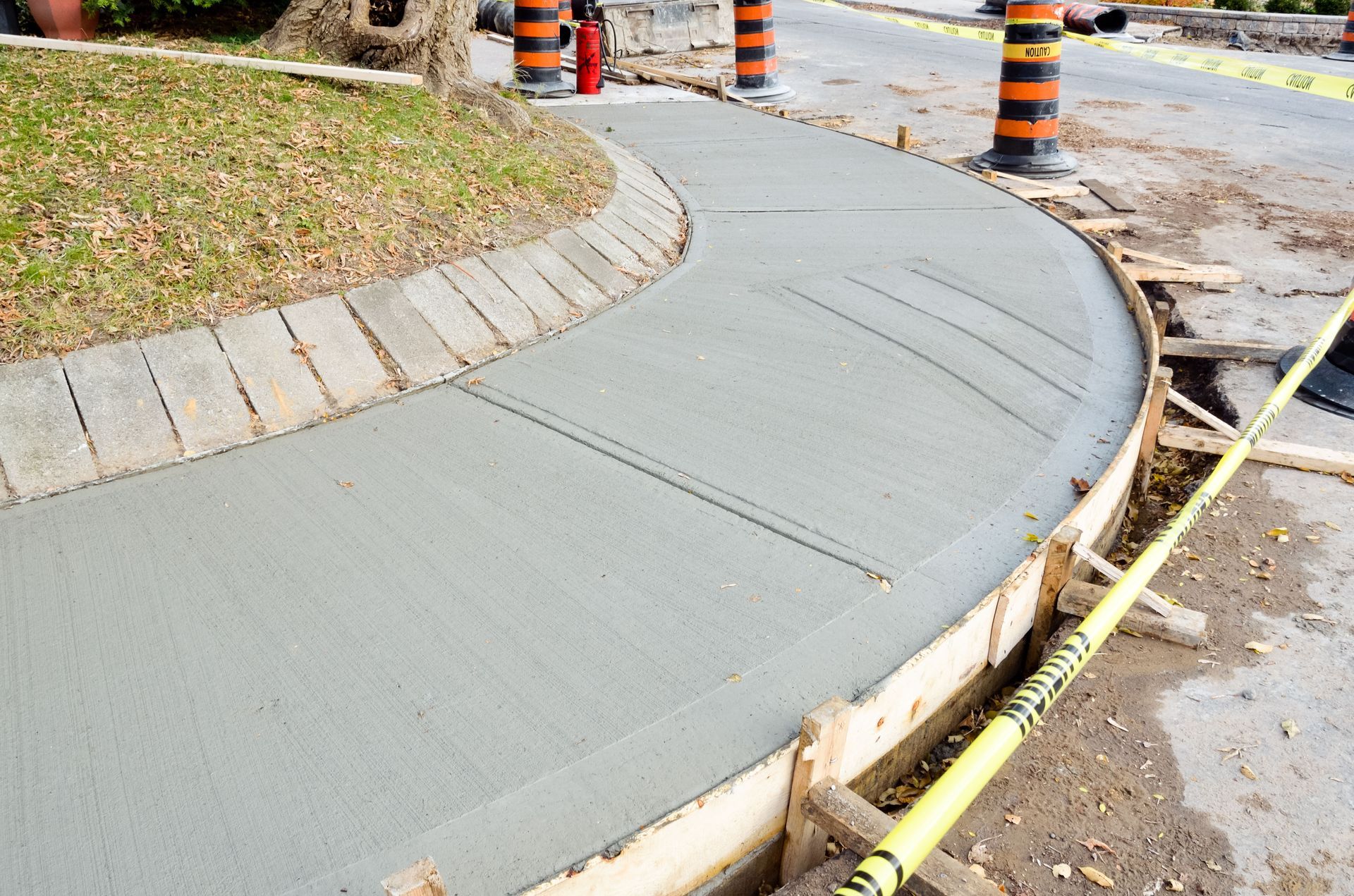
Concrete services tailored for residential applications include driveways, patios, and walkways. Homeowners often choose concrete for its strength, cost-effectiveness, and low maintenance requirements. In addition to foundational uses, decorative concrete options such as stamping and staining can enhance the aesthetic appeal of residential projects. Properly installed residential concrete not only adds value to a property but also enhances its overall functionality and safety. Whether it's a simple pathway or a complex driveway design, concrete's versatility makes it an ideal choice for the home environment.
Commercial Concrete Services
Commercial applications of concrete involve constructing buildings like warehouses, office spaces, and parking structures. These projects demand a high level of precision and durability to support heavy traffic and load requirements. Contractors catering to commercial needs must ensure that their concrete work adheres to strict building codes and safety standards. Additionally, the incorporation of eco-friendly materials and techniques is increasingly important in commercial construction. By providing efficient and compliant commercial concrete services, contractors can contribute to creating sustainable business environments.
Industrial Concrete Services
Industrial concrete services specialize in large-scale projects such as factories and processing plants. These environments require robust concrete that can withstand extreme conditions, including chemical spills and heavy machinery. Specialized mixes, including high-strength and thermal-resistant concretes, are often used to meet these demanding specifications. Proper installation techniques are essential for maintaining safety and structural integrity in industrial settings. Industrial concrete services ensure that infrastructure supports not only current operations but also future scalability and safety requirements.
Decorative Concrete Services
Decorative concrete services offer aesthetic enhancements like stamped and stained concrete, providing versatility in design without compromising durability. These techniques allow homeowners and businesses to emulate materials like brick or stone at a fraction of the cost. Innovations in color and pattern have expanded the creative possibilities for decorative concrete applications. Proper finishing techniques ensure that these decorative additions remain as durable as they are beautiful. By employing decorative services, clients can create visually striking projects that stand out.
Repair and Maintenance Services
Maintaining and repairing concrete is crucial for prolonging its lifespan and performance. Regular inspections can identify issues like cracks or surface erosion before they require costly repairs. According to Homeguide, most concrete leveling jobs take 2 to 6 hours to complete, underscoring the benefit of timely maintenance. Proper maintenance techniques include sealing surfaces to protect against moisture and chemical exposure. By investing in repair and maintenance services, property owners can avoid more extensive, costly interventions and ensure their concrete lasts for decades.
Choosing the Right Concrete Contractor
Researching and Vetting Contractors
Finding a reliable concrete contractor is critical to the success of any project. A thorough vetting process should include evaluating the contractor's experience, portfolio, and completion history for similar projects. It is also beneficial to ask key questions about proposed techniques and materials to ensure compatibility with project goals. Speaking with past clients can provide additional insights into the contractor's reliability and work quality. Comprehensive research sets a solid foundation for selecting a contractor who meets both professional standards and particular project needs.
Licensing and Certification
Verifying licensing and certification is crucial when choosing a contractor. Licensed contractors guarantee that the work will comply with local building codes and regulations. Certificates from professional bodies also signify competency and ongoing education in industry best practices and innovations. It's a way to ensure that your contractor not only has the technical skillset but also adheres to ethical standards and safety protocols. Hiring a certified professional provides peace of mind and security, knowing that the project will meet quality expectations.
Concrete services cover a broad spectrum of applications, each requiring specific knowledge and skill sets. By understanding the various components, service types, and technological advancements, you can make informed choices for your projects. Selecting the right contractor, preparing the site diligently, and employing best practices further contribute to successful outcomes. Cost and budgeting considerations play a significant role in delivering projects on time and within financial parameters. From residential to industrial needs, this comprehensive guide equips you with the foundational knowledge to approach concrete projects with confidence and precision. Whether tackling a DIY project or overseeing a large-scale build, the insights gained here serve as a roadmap for effective project management and execution. Be sure to reach out to Peter LaLicata & Son Cement Contractors Inc today to learn more about our professional concrete services!



Share On: