
Navigating Modern Construction Mixes: How High-Performance Concrete Benefits Your Property
Planning a residential or commercial building project requires a clear understanding of how material sciences, structural designs, and installation timelines interact to shape your final investment. Property owners regularly focus on interior finishes or architectural layouts while leaving the underlying mechanics of their foundational pours unoptimized. Transitioning your project from generic cement recipes toward advanced, rapid-curing alternatives represents a highly practical strategy for reducing project delays, lowering onsite labor expenses, and securing a stronger structure.
When your construction timeline is streamlined through accelerated chemical hydration, your entire investment gains exceptional efficiency. This comprehensive guide breaks down the structural, logistical, and economic advantages of high-performance mixes, helping you optimize your masonry choices while keeping your total project overhead manageable.
Understanding Accelerated Hydration Mechanics
Advanced, fast-setting concrete formulas differ from traditional cement mixtures through their superior density, compressive strength, and resistance to environmental wear. These high-performance designs use precise chemical admixtures to control setting parameters, allowing structures to withstand severe weather, vehicle traffic, and heavy-weight demands far better than standard materials. Utilizing these specialized materials transforms standard driveways, walkways, and foundations into high-strength installations that resist cracking and surface scaling over their entire service lifecycle.
Analyzing Critical Mix Components
Achieving rapid structural strength within hours instead of weeks requires combining specialized hydraulic cements with advanced catalysts that accelerate the internal hydration process. High-performance mixes often incorporate micro-silica, specialized polymers, and carefully sized aggregates to minimize void spaces and eliminate microcracks during initial setting stages. This dense aggregation ensures that your home or commercial space gains maximum load-bearing capabilities quickly, allowing you to utilize your new installations without long delays.
Evaluating Curing Lifecycles
Understanding the distinction between early operational strength and long-term chemical curing changes how home and business owners plan subsequent phases of their property updates. According to research from HomeGuide, newly poured concrete takes around 30 days to fully cure, though it becomes strong enough to hold people, pets, and furniture much earlier in the cycle. Experienced concrete companies leverage this early strength window to safely resume light activity on your property without disrupting the deeper chemical curing process that secures the installation's long-term durability.
Maximizing Economic Returns for Property Owners
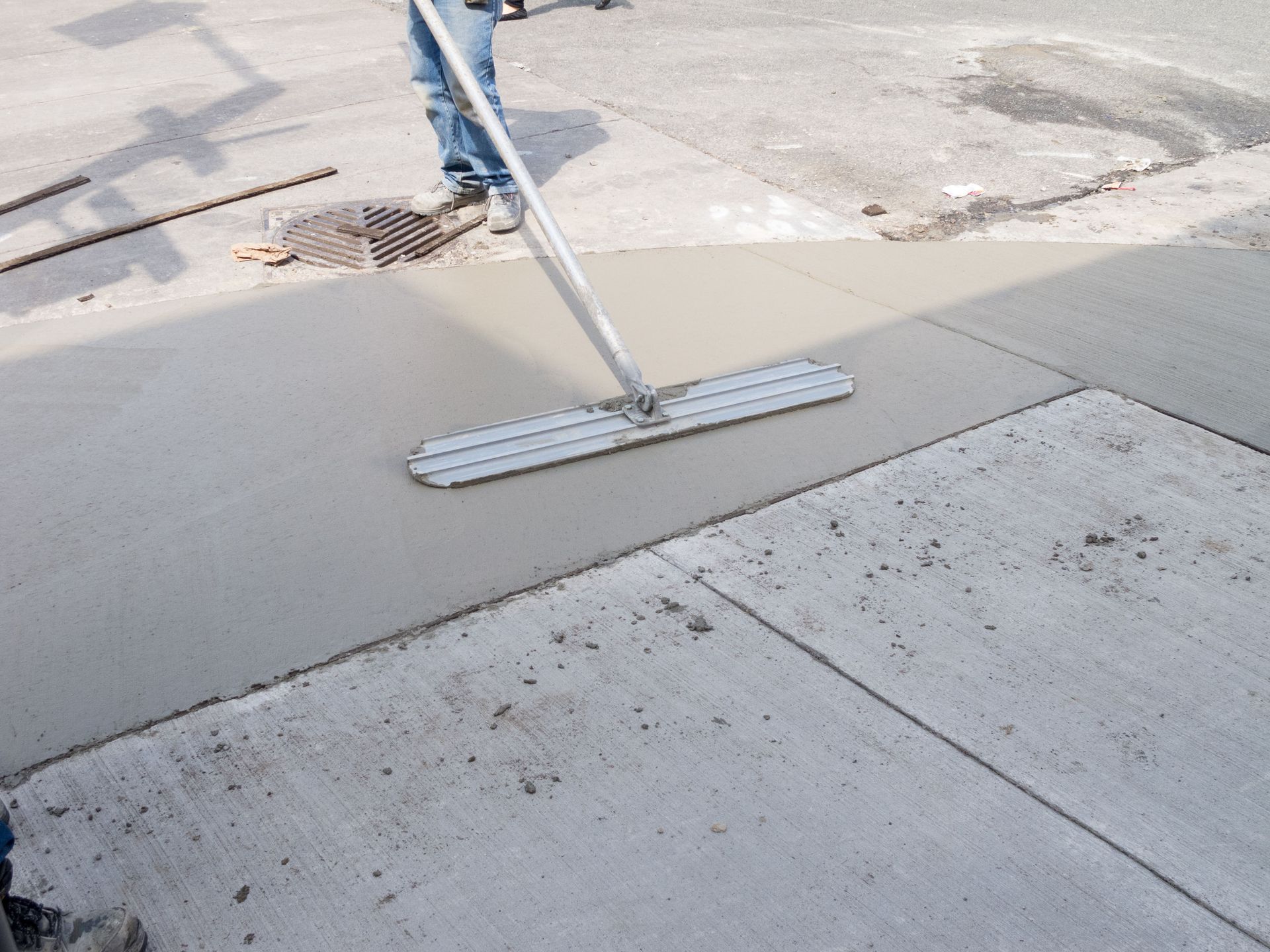
The primary economic benefit of incorporating fast-setting mixes into your property project is the immediate reduction in necessary field man-hours. Traditional pours leave finishing crews and framing teams waiting around for surfaces to dry, creating costly structural bottlenecks that can inflate your project's final bill. Utilizing rapid-hardening concrete allows contractors to transition onto subsequent tasks like framing walls or installing structural trim within a single afternoon shift, lowering their total out-of-pocket labor costs.
Reducing Onsite Operational Overhead
Shortening the total timeframe spent on a busy jobsite lowers indirect operational costs, which often include equipment rental fees, safety fencing, temporary utilities, and site security. Rapid site turnover allows specialized concrete companies to complete your project quickly, minimizing the amount of time heavy equipment spends parked on your lawn or driveway. Minimizing site occupancy protects your daily routine and prevents your baseline budget from being eroded by extended project management expenses.
Eliminating Scheduling Penalties and Delays
Unexpected delays caused by rainy weather patterns or supply chain delivery disruptions can devastate residential build schedules and stall your move-in dates. Fast-setting concrete gives your project a reliable cushion against these variables, allowing your contracting team to recover lost time and meet tight deadlines consistently. Selecting these advanced mixes helps you avoid unexpected extensions while ensuring your construction project stays aligned with your personal timeline.
Accelerating Professional Project Turnover
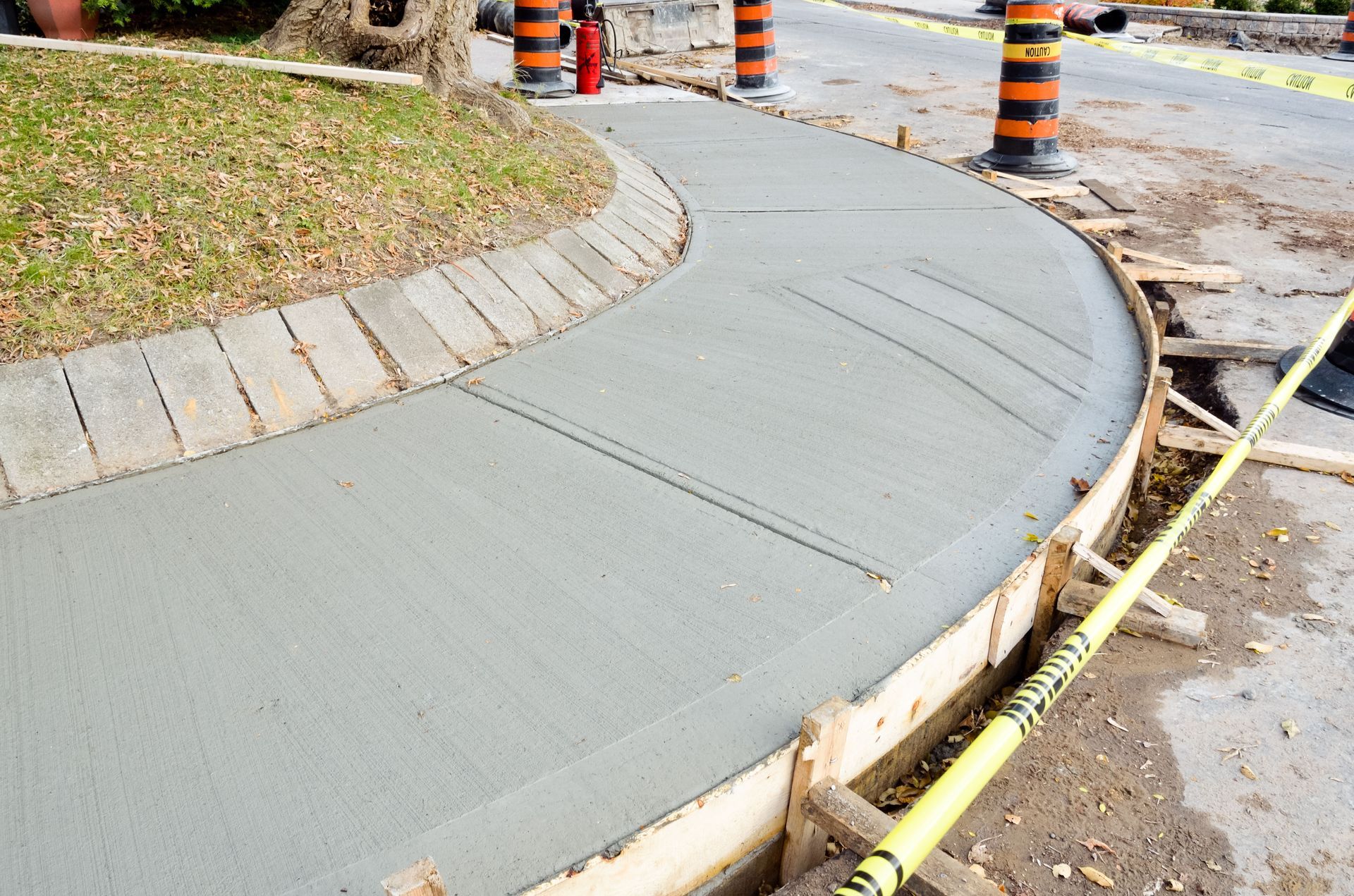
Incorporating rapid-setting options allows homeowners and developers to complete complex landscaping, driveway, or structural projects during peak building months without stretching their timelines into the late winter season. Shorter build cycles mean concrete companies can finish a garage floor or outdoor patio rapidly, giving you full access to your property upgrades ahead of schedule. Maximizing your seasonal project turnover allows you to enjoy your outdoor living spaces or open your business doors much quicker.
Transforming Capital Utilization Cycles
Accelerating your property project completion rates directly improves your personal or business financial flexibility, as faster project completion unlocks milestones for property financing much quicker. Reducing the amount of time your capital is tied up in active construction zones provides the freedom needed to move forward with other interior or exterior enhancements. This consistent efficiency protects your household from extended construction loans and keeps your financing goals perfectly on track.
Adopting Sustainable Structural Practices
Modern high-performance concrete designs improve site logistics while supporting eco-friendly building standards by integrating high-quality industrial by-products into the mix. Using supplementary cementitious materials—such as fly ash, silica fume, or ground slag—replaces a significant amount of traditional, energy-intensive portland cement.
- Lowering the total greenhouse gas emissions generated during initial material mixing.
- Improving the long-term thermal efficiency and density of your completed structural components.
- Reducing onsite machinery emissions by cutting down the total days of heavy equipment operation in your yard.
Adopting these sustainable material practices helps concrete companies satisfy strict municipal green building codes while providing you with an environmentally responsible property feature.
Incorporating Recycled Aggregates Efficiently
Blending recycled crushed concrete, ground glass, and clean industrial aggregates into advanced fast-setting designs directly supports circular economy goals by diverting waste away from regional landfills. Using these repurposed components reduces reliance on raw gravel and virgin river sand without lowering the final structural strength of your slabs. This sustainable sourcing method protects local ecosystems while providing a stable, high-density matrix that stands up well to heavy traffic loads on your property.
Navigating Technical Masonry Innovations
The modern construction landscape continues to advance through the integration of embedded digital sensors within newly poured concrete frameworks. These specialized Internet of Things (IoT) monitoring systems measure internal temperature and moisture changes continuously, sending real-world maturity updates straight to your contractor's smartphone. Tracking these chemical indicators removes the guesswork from field operations, allowing you to know precisely when your new pour is ready to accept vehicle traffic or structural loads.
Utilizing Automated Production Batching
Advanced batching facilities utilize computer-aided automation networks to scale and blend mix components with absolute precision, eliminating the performance variations that often plague manual jobsite mixing. This automated consistency ensures that every yard of rapid-curing concrete delivered to your property matches exact technical engineering standards. Eliminating human errors during production guarantees uniform durability, structural strength, and finish quality across your entire installation.
Upgrading Asset Durability
Investing in high-performance structural designs provides lasting financial benefits that continue long after the installation crew wraps up. The high density and reduced porosity of fast-setting concrete minimize fluid absorption, preventing internal steel corrosion and heavy surface scaling caused by seasonal freeze-thaw cycles. Reducing the need for frequent surface patching, crack sealing, and structural reinforcement saves you significant amounts of money on long-term property upkeep.
Maximizing Property Appraisal Values
Properties constructed with durable, low-maintenance structural components naturally command a premium when evaluated on the real estate market. Potential buyers and investors look for homes and commercial buildings that feature solid structural engineering, zero hidden moisture issues, and low maintenance overhead. Using high-performance concrete options protects your capital investment and ensures your property maintains peak appraisal value through changing market conditions.
Committing to high-performance concrete mix designs allows property owners to compress their construction timelines, manage their project expenses, and ensure superior structural durability over the long haul. Partnering with fully equipped concrete companies guarantees that your automated chemical dosing, structural reinforcements, and surface finishing are handled with absolute technical accuracy.
When your home or business requires experienced site layout planning, specialized rapid-curing applications, or complex structural installations, choosing reputable concrete companies keeps your project fully on track. Contact Peter LaLicata & Son Cement Contractors Inc to coordinate an onsite assessment with our field supervisors.

Share On: