
When to Replace an Old or Cracked Concrete Driveway
Maintaining concrete driveways is crucial for enhancing the appearance and functionality of a property. Driveways often act as the gateway to a home, so their condition significantly impacts curb appeal. A well-maintained surface can contribute to a more polished and welcoming exterior, while also supporting everyday use such as parking, foot traffic, and vehicle movement. In addition to aesthetics, structural integrity plays an important role in ensuring the surface remains safe and functional over time. Small issues that appear minor at first can gradually develop into more noticeable and costly concerns if they are not addressed early.
However, like any other exterior surface, these installations are prone to wear and tear over time. Exposure to changing weather conditions, seasonal temperature shifts, and consistent load pressure can all contribute to gradual deterioration. Visible signs such as cracks, erosion, or discoloration can signal underlying issues that should not be ignored. Regular observation of surface conditions can help homeowners recognize early warning signs before they develop into more extensive damage. Understanding how and why these changes occur can make it easier to decide when maintenance, repair, or replacement may be needed.
Common Signs of Deterioration
Understanding Cracking Patterns
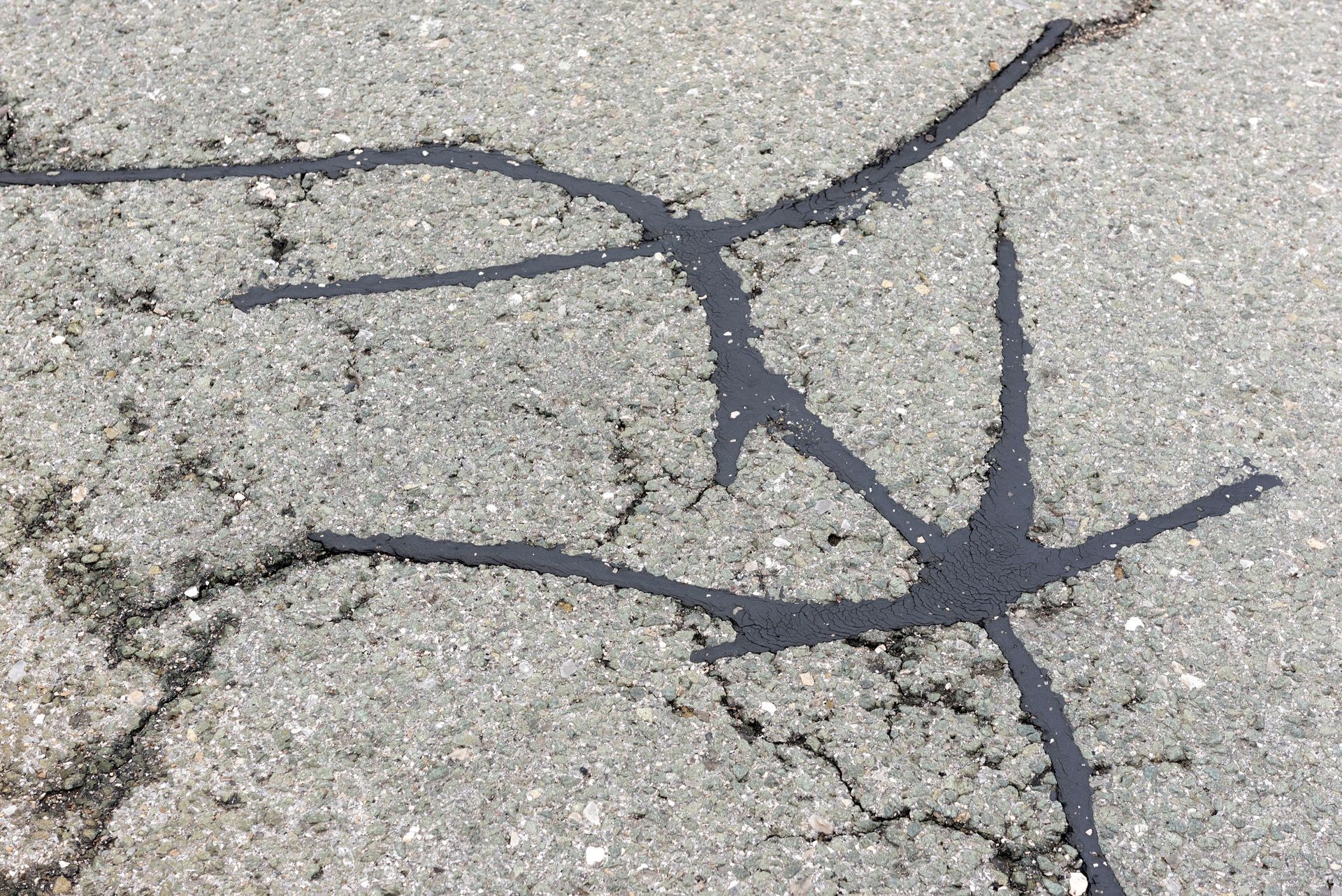
Over time, concrete driveways often develop cracks due to freeze-thaw cycles, excessive weight, and ground movement. Hairline cracks may seem minor, but they can allow moisture penetration that accelerates deterioration beneath the surface. Wider cracks are more concerning because they may indicate deeper structural issues that affect safety, appearance, and long-term performance.
Identifying Surface Erosion
Visible wear along the top layer of concrete is often a sign of advanced erosion. Water runoff, weather exposure, and repeated traffic can gradually cause the surface to chip or wear away over time. As deterioration progresses, rough and uneven areas may develop that affect both appearance and usability for homeowners and visitors.
Important Assessments of Damage
Evaluating Small vs. Large Cracks
Assessing the size and depth of cracks helps determine whether repair or replacement is the better option for concrete driveways. Small hairline cracks can often be addressed with sealants or minor repairs that help reduce moisture intrusion and surface deterioration. Larger cracks may indicate deeper structural concerns and can require more extensive corrective work to maintain stability.
Recognizing Alligator Cracking
A network of interconnected cracks often indicates significant structural stress beneath the driveway surface. This type of damage is commonly associated with weakened support beneath the concrete or long-term wear from repeated vehicle traffic. Unlike isolated cracks, alligator cracking usually affects larger sections of the surface and may continue spreading over time if left untreated.
Key Factors of Replacement Decisions
Comparing Repair and Replacement Costs
For many homeowners, cost is an important consideration when deciding between repair and replacement. Repairing minor issues may provide a short-term solution, but repeated repairs can eventually become more costly over time. Replacement generally requires a larger initial investment, although it can provide improved durability and more consistent long-term performance.
Considering Long-Term Durability
Long-term performance is an important factor when determining how to address a damaged driveway. Repairs can help extend the life of an existing surface, but recurring issues may require additional maintenance over time. In contrast, replacement offers a fresh start and can provide a more consistent, long-term solution when damage is widespread across the property.
Strategic Timing of Replacement Projects
Managing Seasonal Conditions
Weather patterns can influence the installation process and overall performance of concrete driveways. Moderate conditions generally support proper curing and help reduce installation complications that may affect durability. Extremely cold temperatures may slow curing, while excessive heat can cause concrete to dry too quickly and increase the likelihood of surface issues.
Planning Around Weather Conditions
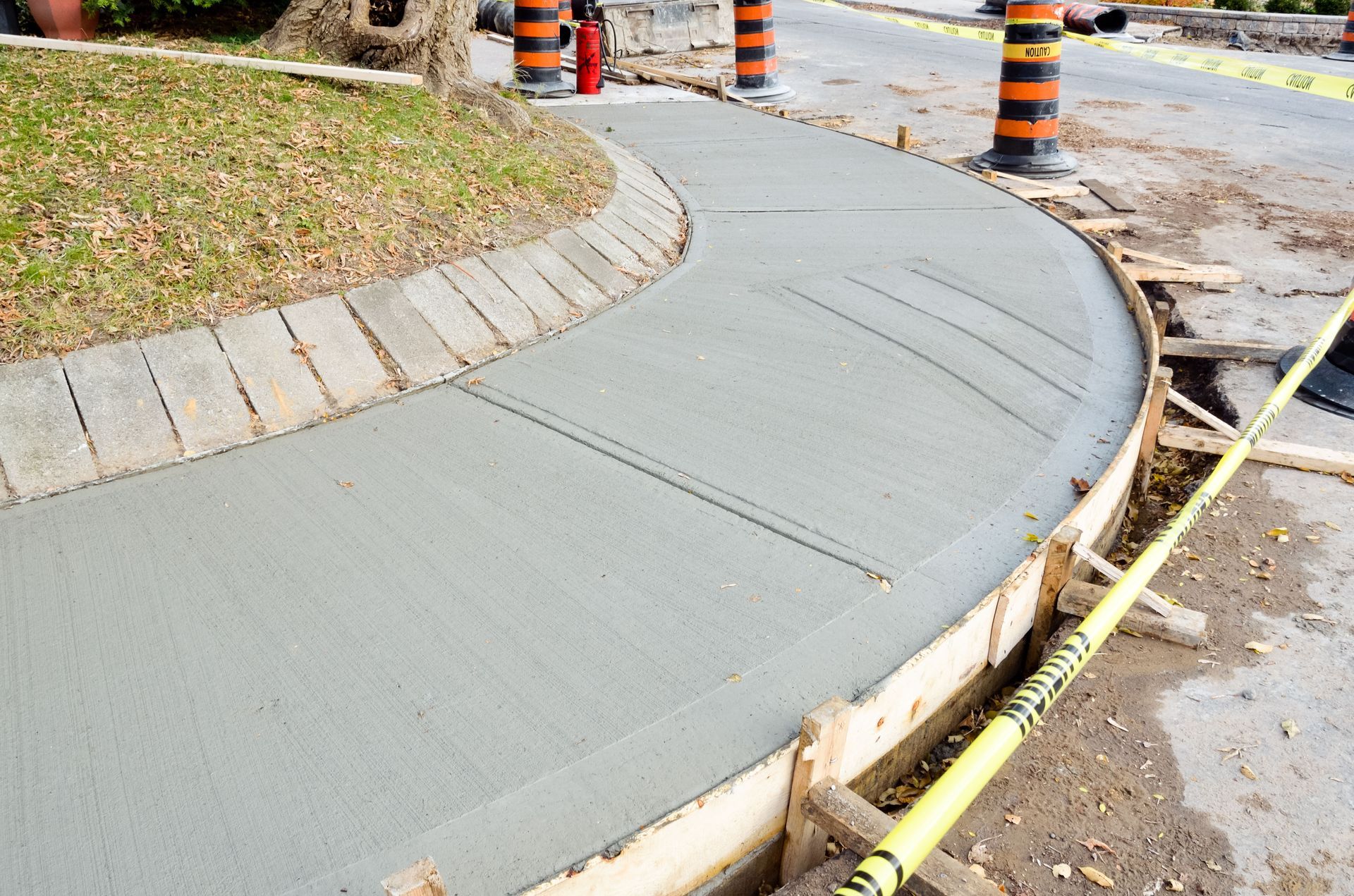
Careful scheduling is important when planning driveway replacement projects. Rain, excessive moisture, or temperature fluctuations can affect installation quality and curing performance in noticeable ways. According to HomeGuide, concrete slabs take 1 to 2 days to dry enough for a person or pet to walk on it without leaving footprints.
Coordinating with Contractors
Preparation and communication are important when getting ready for a driveway replacement project. Planning ahead allows homeowners to coordinate timelines, discuss project expectations, and prepare the property for construction activities. Scheduling also involves accounting for potential delays caused by weather or changing site conditions that may affect the timeline.
Decorative Benefits of Concrete Features
Enhancing Decorative Concrete Finishes
Decorative concrete finishes allow homeowners to improve both the appearance and functionality of concrete driveways. Textured and patterned surfaces can add visual interest while maintaining the durability associated with professionally installed concrete surfaces. Decorative finishes also help create a more customized appearance that complements surrounding landscaping and outdoor features.
Exploring Stamped Concrete Designs
Many homeowners choose stamped concrete to replicate the appearance of materials such as brick, stone, or tile while retaining the strength of concrete. Different textures and patterns can be incorporated into driveway and patio installations to create a more distinctive look across the property. Stamped concrete can also help tie together walkways, patios, and outdoor living spaces for a more cohesive exterior design.
Choosing Concrete Colors and Textures
A variety of colors, finishes, and textures can be used to match different architectural styles and landscaping features. Some homeowners prefer a clean, traditional appearance, while others choose decorative finishes that create a more modern aesthetic. Selecting the right combination of texture and color can improve curb appeal while maintaining the durability needed for everyday use.
Material selection also plays a role in how well the surface performs under everyday use and changing weather conditions. Selecting the right combination of texture and color can improve curb appeal while maintaining the durability needed for long-term performance. Careful planning ensures the finished surface supports both visual appeal and functional strength over time.
Routine Maintenance of Driveway Surfaces
Maintaining Clean and Sealed Surfaces
Regular upkeep helps prevent dirt and debris buildup on concrete driveways over time. Pressure washing can help remove surface stains and maintain a cleaner appearance, while prompt cleanup of oil or chemical spills may help reduce discoloration. Sealing concrete surfaces can also help limit moisture penetration and reduce surface wear caused by changing weather conditions.
Preventing Common Causes of Damage
Proactive maintenance can help reduce common causes of driveway deterioration, including water intrusion, freeze-thaw damage, and excessive surface stress. Addressing drainage concerns and preventing standing water can help preserve the condition of the surface for longer periods. Monitoring nearby tree growth may also help reduce the risk of root-related movement that can eventually affect stability.
Scheduling Regular Inspections
Routine inspections allow homeowners to identify developing issues before they become more severe and expensive to address. Checking for cracks, uneven areas, erosion, or surface wear throughout the year can help reveal early signs of deterioration. Seasonal inspections following harsh weather conditions may also uncover new problem areas that require timely attention.
Seasonal changes can place additional stress on outdoor surfaces, making periodic evaluations especially useful after periods of harsh weather. Freeze-thaw cycles, heavy rainfall, and temperature shifts can all contribute to gradual changes that are easier to manage when caught early. Regular attention to these details helps ensure small concerns are addressed before they expand into larger structural issues.
Replacing an aging or damaged driveway requires careful consideration of surface deterioration, structural stability, long-term performance, and overall curb appeal. Addressing issues early can help homeowners maintain safer, more functional outdoor spaces while preventing further damage over time. To learn more about concrete driveways, decorative finishes, and replacement services, homeowners can explore the solutions offered by Peter LaLicata & Son Cement Contractors Inc.
Share On: