
Why Precision in Concrete Services is Key to Structural Longevity
Concrete is one of the most widely used construction materials in the world, serving as the foundation for countless residential, commercial, and industrial projects. From driveways and sidewalks to foundations, floors, and structural supports, concrete plays a vital role in the safety and stability of the built environment. While concrete is known for its strength and durability, achieving long-lasting performance depends on far more than simply pouring the material into place. The quality of the installation process has a significant impact on how well the concrete performs over time.
Precision is one of the most important factors in successful concrete construction. Every stage of the project, from site preparation to curing, requires careful attention to detail. Small errors can lead to cracking, settlement, drainage problems, surface deterioration, and costly repairs. Professional concrete services focus on accuracy throughout the entire process, helping create structures and surfaces that remain dependable for years. Understanding why precision matters can help property owners make informed decisions when planning their next concrete project.
Creating Proper Site Preparation
Every successful concrete project begins with thorough site preparation. Before any concrete is poured, the area must be properly cleared, graded, and compacted. The condition of the ground beneath the concrete has a direct impact on the performance of the finished structure. If the base is unstable, contains excessive moisture, or is not properly compacted, the concrete may shift, crack, or settle unevenly over time. Addressing these factors before installation begins helps create a stronger foundation for the project and reduces the risk of costly issues developing later.
Proper preparation also supports better load distribution across the finished surface. When the base is carefully prepared, the concrete is better equipped to handle the stresses created by vehicles, foot traffic, weather, and daily use. Professional concrete services carefully evaluate soil conditions, drainage requirements, and grading needs before work begins. This attention to detail helps reduce the likelihood of structural issues and contributes to a longer-lasting installation. Careful planning at this stage can also improve overall project performance by helping water move away from the surface and minimizing future maintenance concerns.
Maintaining Accurate Form Placement
Forms establish the shape, dimensions, and boundaries of a concrete project. Whether constructing a driveway, patio, foundation, walkway, or slab, accurate form placement is essential to achieving the desired result. Even minor measurement errors can affect alignment, drainage, appearance, and overall functionality. Once the concrete is poured and cured, correcting these mistakes can be difficult and expensive.
Properly installed forms also help maintain consistent thickness throughout the project. Consistency is important because variations in thickness can create weak points that may become vulnerable to cracking or deterioration. Careful form placement supports a smoother installation process and helps contractors maintain precise elevations and slopes. These details contribute to a finished product that performs as intended while maintaining a professional appearance.
Using Consistent Material Mixing
The quality of concrete depends heavily on the mixture itself. Cement, aggregates, water, and any additives must be combined in the proper proportions to achieve the desired strength and durability. Too much water can weaken the mix, while too little can make placement difficult and affect the curing process. Consistency is critical because variations in the mix can lead to uneven performance throughout the project.
Reliable concrete services recognize that different projects require different mix designs. A residential patio may have different requirements than a commercial floor or structural foundation. Environmental conditions, anticipated loads, and exposure to weather all influence material selection. According to ConstructConnect, more than 10 billion tons of concrete are used worldwide each year. With concrete playing such a significant role in construction, proper mixing remains one of the most important factors in achieving dependable results.
Supporting Careful Concrete Placement
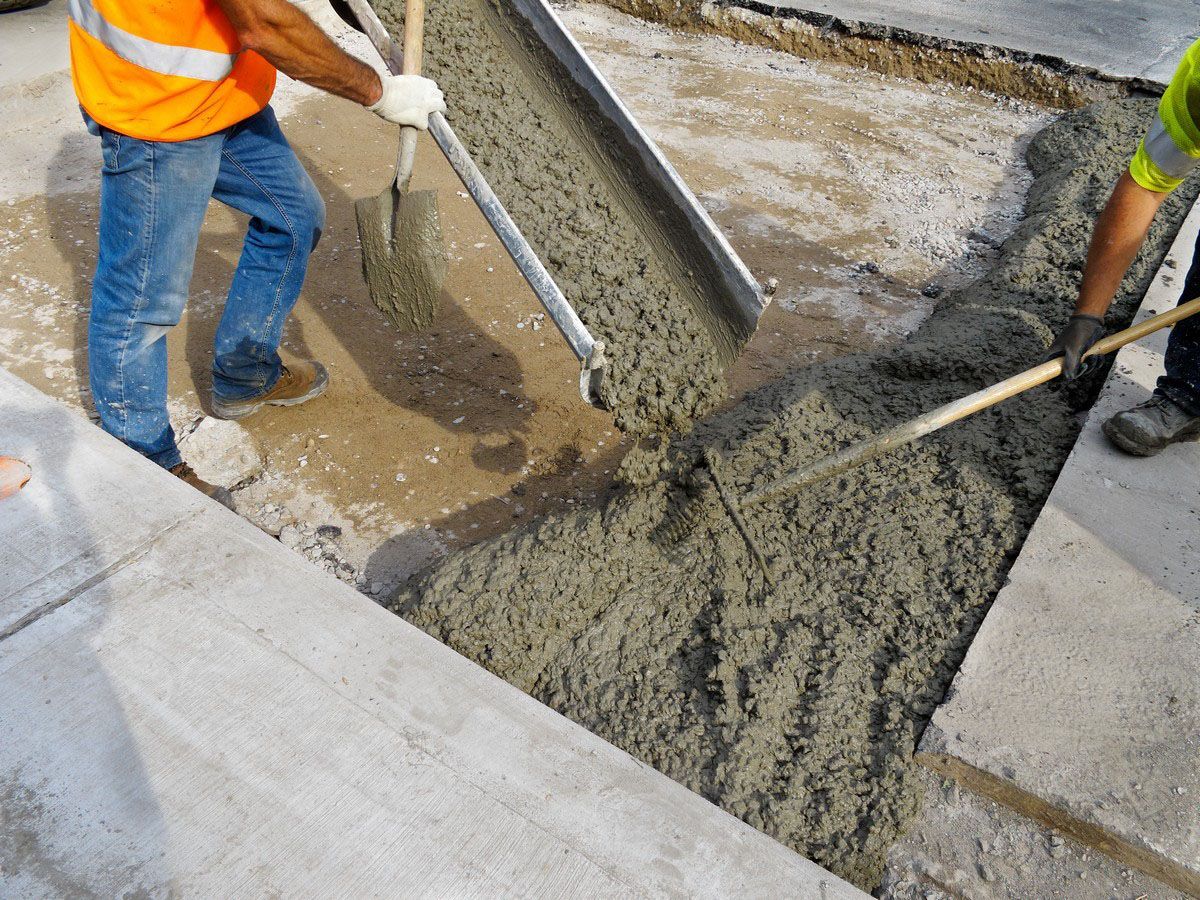
After the concrete is mixed, it must be placed correctly and efficiently. The placement process affects density, strength, and overall structural integrity. If the material is not distributed evenly, weak spots may develop within the slab or structure. Air pockets, inconsistent thickness, and poor consolidation can reduce the performance of the finished concrete and increase the likelihood of future damage.
Careful placement requires coordination, timing, and attention to detail. Contractors must work methodically to spread and level the material before it begins to set. Larger pours may require additional planning to maintain consistency across the entire surface. Professional concrete services understand how to manage this stage effectively, helping create stronger, more uniform concrete that performs better throughout its lifespan.
Applying Proper Finishing Techniques
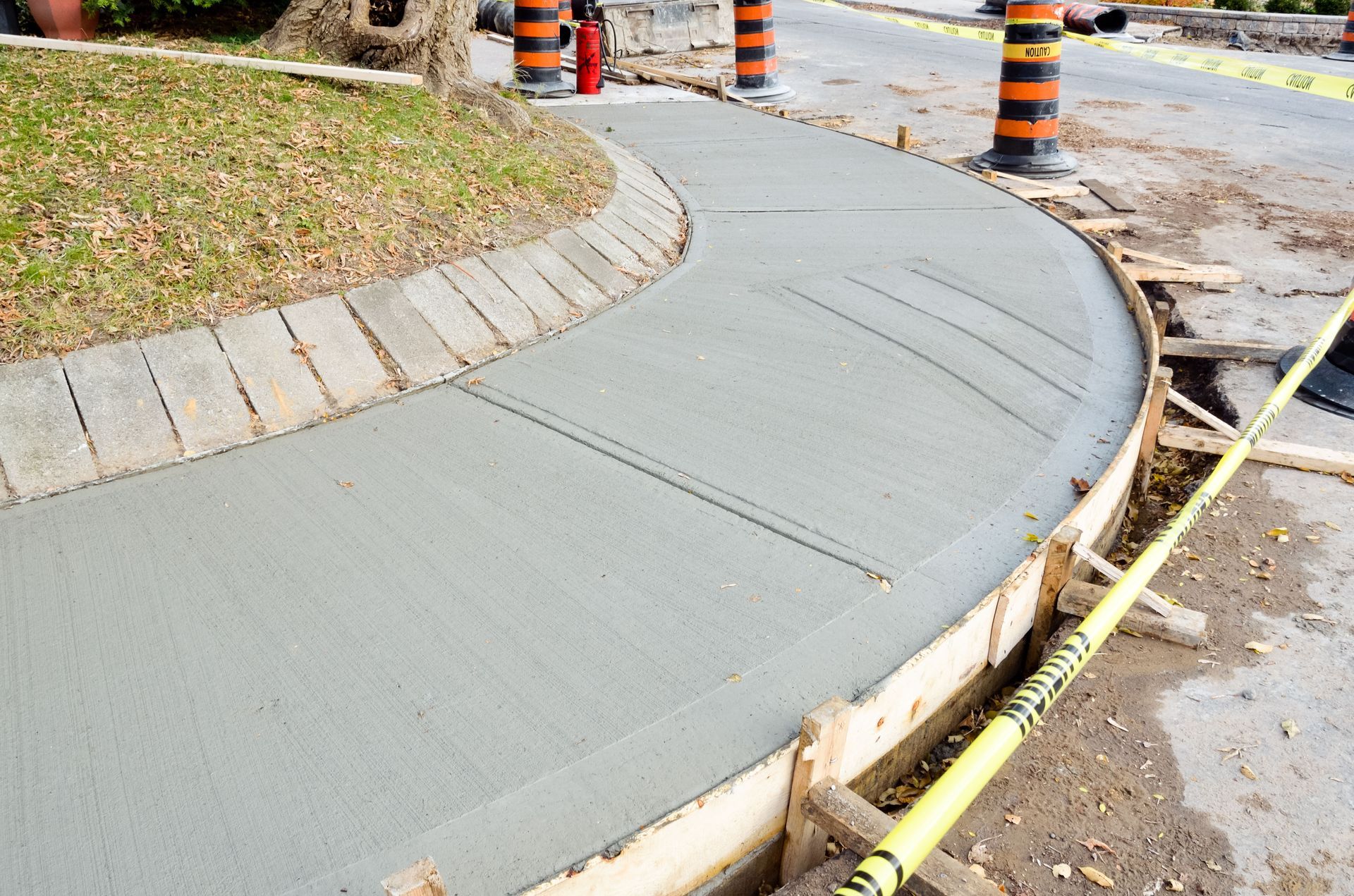
Finishing is about more than appearance. The techniques used during this stage affect durability, safety, and long-term performance. Different projects require different finishes depending on how the surface will be used. Walkways and driveways often require textured finishes that improve traction, while indoor floors may need a smoother appearance. Selecting the appropriate finishing method helps the surface function properly in its intended environment.
The timing of finishing is equally important. Finishing too early or too late can create surface defects that affect durability. Overworking the surface may weaken the top layer, while improper joint placement can contribute to cracking. Decorative finishes, exposed aggregate surfaces, and specialty textures also require precision to achieve the desired appearance. Attention to detail during finishing helps improve both the look and longevity of the completed project. Experienced providers of concrete services understand how proper finishing techniques contribute to both visual appeal and long-term performance.
Promoting Effective Curing and Protection
Curing is often overlooked by property owners, but it is one of the most important stages of the concrete process. During curing, the concrete develops strength through a chemical reaction that requires proper moisture and temperature conditions. If concrete dries too quickly or experiences unfavorable environmental conditions, it may not reach its full strength potential. This can increase the risk of cracking and other performance issues.
Protection during the curing period is equally important. Newly placed concrete may need to be shielded from excessive heat, freezing temperatures, heavy rain, or premature traffic. Taking the time to manage these conditions supports proper strength development and helps reduce the risk of early damage. A carefully managed curing process contributes significantly to the long-term durability of concrete structures and surfaces.
Improving Long-Term Structural Performance
Long-term performance is the result of precision throughout every stage of the project. Site preparation, form placement, material mixing, concrete placement, finishing, and curing all work together to influence how the finished structure performs over time. When one stage is rushed or handled incorrectly, problems may emerge months or years later. Many common concrete issues can often be traced back to installation errors that occurred during construction.
Professional concrete services focus on the details that contribute to long-term success. By approaching every stage of the project with accuracy and care, contractors help reduce the likelihood of repairs, maintenance concerns, and premature replacement. Long-lasting concrete is not simply the result of quality materials; it is also the result of precise workmanship that supports durability, safety, and structural reliability for years to come.
Precision plays a vital role in the longevity of any concrete project. From preparing the site and placing forms to mixing materials, finishing surfaces, and managing the curing process, every step contributes to the final outcome. Careful workmanship helps reduce future problems, improves performance, and protects the value of the investment. When property owners prioritize quality installation and professional concrete services, they create concrete structures and surfaces that can withstand years of use and environmental exposure. If you are planning a concrete project and want dependable results backed by experience and attention to detail, contact Peter LaLicata & Son Cement Contractors Inc today.


Share On: